Read more about the article Ura Harajuku: The 1990s Japanese Streetwear Revolution
Historical timeline of the 1990s Ura-Harajuku streetwear revolution and pioneer boutiques. Source: Tokyo Fashion History Archives

Ura Harajuku: The 1990s Japanese Streetwear Revolution

A design history of the 1990s Ura Harajuku movement: NOWHERE boutique, Hiroshi Fujiwara, limited graphic tees, and modern subtle streetwear branding.


Continue ReadingUra Harajuku: The 1990s Japanese Streetwear Revolution
Read more about the article Risograph Printing: Stencil Duplicators, Ink, and Design
Risograph rotating aluminum ink cylinder drum and banana-fiber master screen mechanics diagram. Source: Riso Kagaku Corporation Technical Documentation

Risograph Printing: Stencil Duplicators, Ink, and Design

A technical guide to Risograph printing: Riso Kagaku origins, spot-color drum mechanics, rice-bran inks, and screen printing tactile comparison.

Continue ReadingRisograph Printing: Stencil Duplicators, Ink, and Design
Read more about the article Manga Sound Effects: Onomatopoeia, Type, and Print
Manga onomatopoeia classification diagram: Giongo (acoustic), Gitaigo (mimetic), and Giseigo (voice). Source: Agency for Cultural Affairs Japanese Language Reference

Manga Sound Effects: Onomatopoeia, Type, and Print

A design guide to manga sound effects (onomatopoeia): giongo vs gitaigo vs giseigo categories, kinetic lettering, and sleeve screen printing rules.

Continue ReadingManga Sound Effects: Onomatopoeia, Type, and Print
Read more about the article Sashiko Stitching: Japanese Embroidery History and Craft
Geometric sashiko stitch patterns including Asanoha hemp leaf and Seigaiha wave grids. Source: Tohoku Regional Folk Crafts Historical Museum Archives

Sashiko Stitching: Japanese Embroidery History and Craft

A technical guide to Japanese sashiko stitching: Edo rural mending origins, boro patchwork, geometric patterns, and modern visible mending on denim.

Continue ReadingSashiko Stitching: Japanese Embroidery History and Craft
Read more about the article Japanese Symbols and Meanings: Lucky Motifs on Apparel
Auspicious Japanese motifs including koi, crane, maneki-neko, and daruma emblems. Source: Japan Government Cultural Heritage Database

Japanese Symbols and Meanings: Lucky Motifs on Apparel

A design guide to Japanese symbols meanings on apparel: auspicious koi, cranes, maneki-neko paws, daruma goals, and common garment kanji motifs.

Continue ReadingJapanese Symbols and Meanings: Lucky Motifs on Apparel
Read more about the article Notan in Graphic Design: Dark and Light Harmony in Print
Positive and negative space balance diagram demonstrating equal visual weight in notan composition. Source: American Art and Design History Research Archives

Notan in Graphic Design: Dark and Light Harmony in Print

A design analysis of notan in graphic art: dark-light balance, Arthur Wesley Dow's principles, positive-negative space, and one-color screen print rules.

Continue ReadingNotan in Graphic Design: Dark and Light Harmony in Print
Read more about the article Left Chest Logo Size: Dimensions, Placement, and Limits
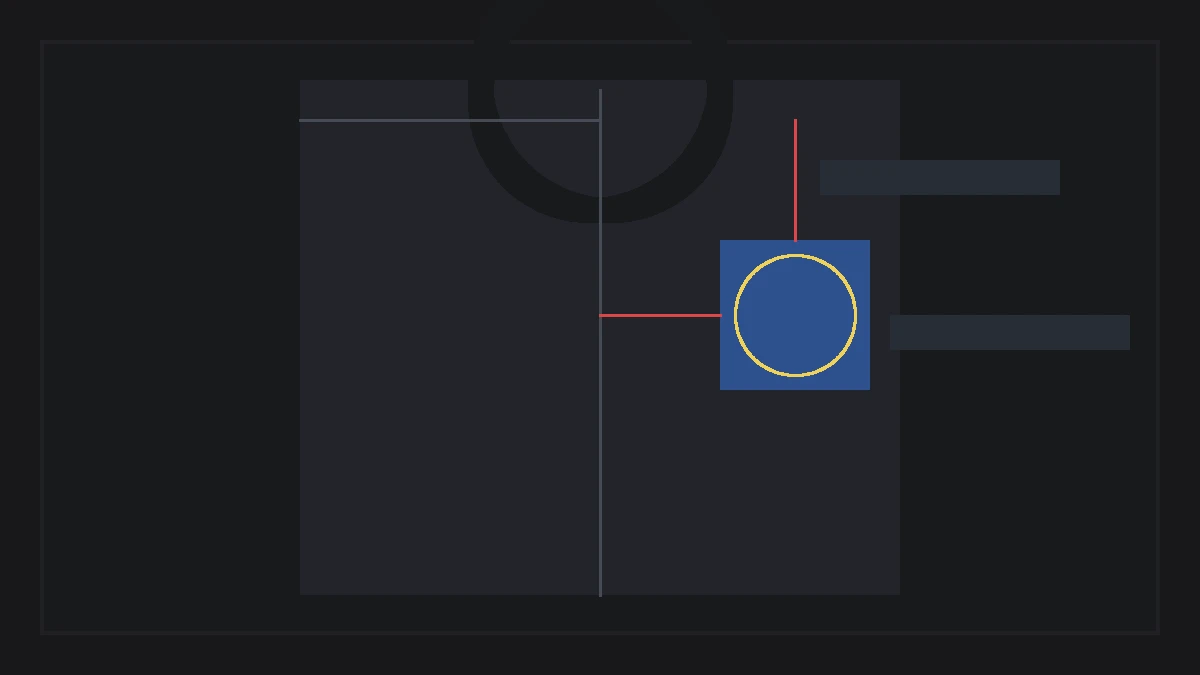
Left chest logo placement diagram showing shoulder seam drop and center offset coordinates. Source: SGIA Apparel Placement Guides

Left Chest Logo Size: Dimensions, Placement, and Limits

An industry guide to left chest logo size standards: dimensions in inches and cm, placement coordinates, embroidery text limits, and vertical type rules.

Continue ReadingLeft Chest Logo Size: Dimensions, Placement, and Limits
Read more about the article Japanese Calligraphy: Shodo Scripts, Brushes, and Print
Comparison of the three primary Shodō calligraphy scripts: Kaisho, Gyōsho, and Sōsho. Source: Japan Calligraphy Art Academy Historical Records

Japanese Calligraphy: Shodo Scripts, Brushes, and Print

A guide to Japanese calligraphy (shodo) on garments: the three major scripts, the four treasures, dry-brush vectorization, and screen print limits.

Continue ReadingJapanese Calligraphy: Shodo Scripts, Brushes, and Print
Read more about the article Kamon Japanese Family Crests: Design, History, and Meaning
Geometric compass drafting grid of circular Japanese kamon crest showing radial symmetry axes. Source: Tokyo National Museum Textile Archives

Kamon Japanese Family Crests: Design, History, and Meaning

A design guide to Japanese kamon family crests: circular geometry, samurai heraldry, formal kimono placement, and chest logo embroidery rules.

Continue ReadingKamon Japanese Family Crests: Design, History, and Meaning
Read more about the article Screentone in Manga: History, Halftone Angles, and Print
Screentone dot matrix showing line frequency gradations from 30 LPI to 65 LPI. Source: Deleter Manga Art Supply Technical Archives

Screentone in Manga: History, Halftone Angles, and Print

A technical guide to screentone in manga: Ben-Day dot origins, adhesive transfer sheets, line frequency, and screen printing on cotton.

Continue ReadingScreentone in Manga: History, Halftone Angles, and Print