Proof sheet: In the comparison of embroidery vs screen printing for apparel design, embroidery applies structural thread relief suited for small chest marks, heavyweight fleece, and structured caps, while screen printing deposits thin ink films suited for expansive graphics, fine halftone gradients, and lightweight cotton jersey. Durability, production volume, and fabric weight govern the technical choice.
Every garment decoration method interacts differently with woven textile fibers. Apparel designers weighing embroidery vs screen printing must evaluate tactile relief against graphic surface area, stitch tension against knit stretch, and setup overhead against total production run volume. While direct thread application penetrates through fabric yarns to construct a permanent dimensional crest, screen printing forces liquid plastisol or water-based pigments through woven polyester mesh to coat the upper surface of knit yarns. Understanding the mechanical differences between thread tension and ink deposition determines which process preserves graphic integrity over repeated laundering.
What Are the Structural Mechanics of Embroidery vs Screen Printing?
Embroidery constructs designs by anchoring thousands of polyester or rayon threads through fabric fibers, creating raised, three-dimensional physical relief. Screen printing pushes liquid ink through photographic stencils on polyester mesh, binding pigments directly to the surface of textile yarns without penetrating the entire garment thickness.
The core mechanical distinction between the two crafts lies in physical mass versus surface coloration. In commercial machine embroidery, computerized multi-needle heads drive high-tensile threads through the garment at speeds reaching 800 to 1,000 stitches per minute. The process requires three structural components working simultaneously:
- Upper Thread: Typically a 40-weight trilobal polyester or rayon thread that supplies surface color and lustrous sheen.
- Bobbin Thread: A finer 60-weight continuous-filament polyester thread underneath the fabric that locks the upper loop into place.
- Stabilizer Backing: Non-woven cutaway or tearaway backing hooped beneath the textile to stabilize flexible knits against needle penetration and thread pull.
Because embroidered artwork is built from physical strands, designs possess genuine structural volume. A standard three-inch left-chest emblem typically consumes 5,000 to 10,000 individual stitches. Each stitch creates mechanical tension, pulling surrounding knit fibers inward. Without proper digitizing, excessive stitch density causes knit jersey to pucker around perimeter borders.
In contrast, textile screen printing is a surface coating methodology. Liquid ink, formulated from polyvinyl chloride resin particles suspended in plasticizer (plastisol) or water-soluble acrylic binders, is forced across a tensioned polyester mesh screen with a rubber squeegee. The open stencil apertures determine where ink deposits onto the cloth. After deposit, garments pass through a forced-air conveyor dryer heated to 320 degrees Fahrenheit (160 degrees Celsius), curing the ink into a flexible, solid resin film bonded across fabric fibers.
Small embroidered chest marks explain why understated apparel leans on stitching rather than ink. A four-inch embroidered motif creates tactile depth while maintaining structural integrity across repeated laundering, offering subtle graphic expression without expansive surface ink.
Exploration of specialized textile decoration methods continues in the broader Print and Stitch section.
How Does Fabric Weight Determine Stitch Density and Ink Penetration?
Fabric weight and weave density establish absolute mechanical limits for both embroidery and screen printing. Heavy textiles exceeding 280 grams per square meter comfortably support dense satin embroidery stitches, whereas lightweight combed cotton jerseys under 150 grams per square meter require thin water-based screen printing to prevent fabric sagging.
Garment substrates react dynamically to needle trauma and wet ink application. When selecting decoration for apparel, fabric weight, yarn count, and fiber elasticity dictate technical execution:
- Lightweight T-Shirts (120 to 160 GSM): Thin combed cotton knits lack the structural tensile strength needed to support high stitch counts. Applying a dense 12,000-stitch embroidery patch to a 140 GSM tee creates an uncomfortable, rigid badge that pulls the collar forward. Conversely, lightweight jersey is the ideal canvas for water-based or discharge screen printing, where ink dyes individual fibers without adding physical stiffness.
- Midweight Fleece and Hoodies (280 to 400 GSM): Heavy loopback French terry and brushed fleece provide robust backing foundations. Needles penetrate thick cotton-poly blends without tearing fiber matrices, allowing crisp 3D puff embroidery and dense fills. Screen printing on fleece requires higher squeegee pressure and flashed underbases to prevent fabric fibers from standing up through ink films.
- Structured Twill and Canvas: Woven caps, workwear jackets, and tote bags possess high dimensional stability, making them the premier candidate for direct embroidery, twill applique, and metallic thread stitching.
Which Method Provides Superior Tactile Finish and Laundering Durability?
Commercial embroidery provides superior mechanical laundering durability, resisting fading, abrasion, and repeated industrial washing cycles for decades. Screen printing yields a softer, zero-hand feel when printed with water-based inks across broad chest areas, but thin ink films remain vulnerable to micro-cracking over extended dryer cycles.
Long-term garment lifespan depends on how decoration responds to washing agitation, temperature fluctuations, and textile friction. Direct embroidery utilizes synthetic polyester threads that are resistant to chlorine bleach, acidic sweat, and high-heat drying cycles. Because the thread color is dyed into the molten polymer before extrusion, embroidered details maintain optical saturation indefinitely. The primary durability risk for embroidery is thread snagging against sharp metal zippers or aggressive Velcro fasteners.
Conversely, the durability of screen printed garments depends heavily on ink formulation and cure temperature. When plastisol ink is properly gelled and fully fused throughout its entire film depth at 320 degrees Fahrenheit, it forms a cohesive elastomeric sheet that flexes with cotton jersey through dozens of standard laundry cycles. However, if the conveyor dryer under-cures the ink core, prints will crack, flake, or wash out prematurely. Water-based discharge inks bypass this failure mode by chemically removing reactive garment dyes and replacing them with pigment, resulting in a breathable print that cannot peel because it lives inside the fiber itself.
When producing an embroidered shirt with subtle aesthetics, the slight sheen of polyester thread catches ambient light, providing premium visual dimension absent from flat ink deposits. Foundational motif styling rules are detailed in our guide to traditional Japanese patterns on apparel.
How Do Detail Thresholds and Japanese Typography Compare?
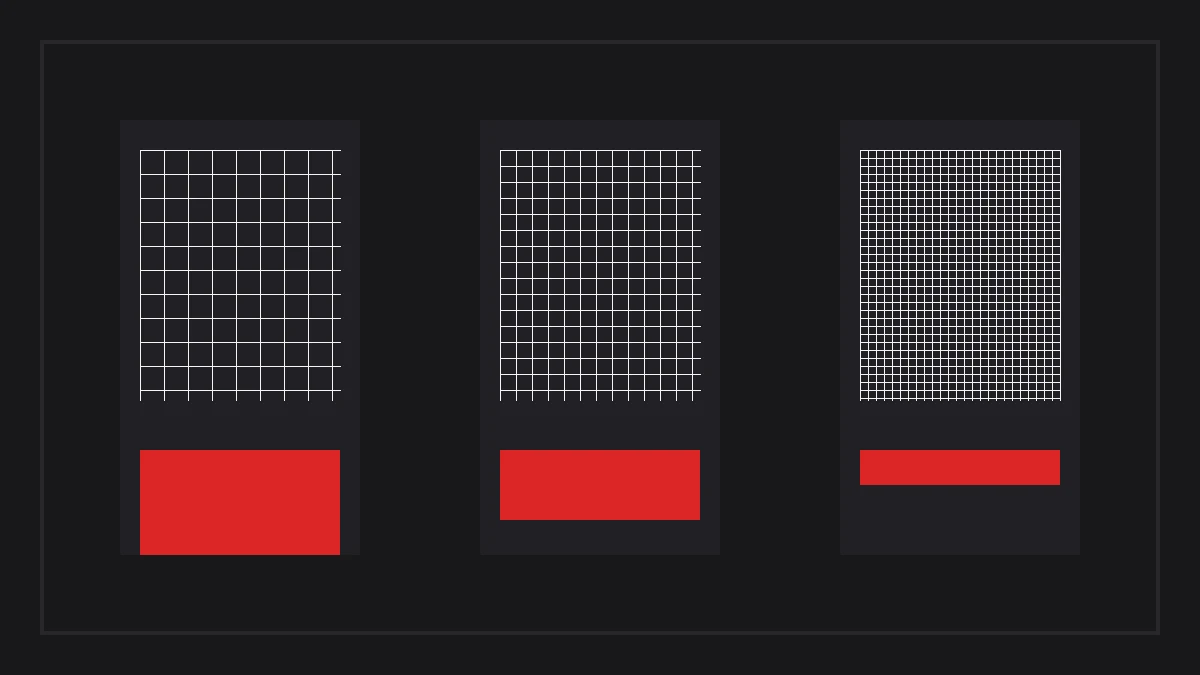
Screen printing achieves dramatically finer detail thresholds than embroidery, resolving micro-type down to 4 points and halftone dots exceeding 55 lines per inch. Embroidery requires a minimum column width of 1 millimeter and minimum letter height of 5 millimeters, limiting intricate typographic Kanji strokes.
When applying complex lettering or fine linework to garments, mechanical physics imposes strict minimum thresholds:
- Minimum Line Thickness: Commercial embroidery needles (typically size 65/9 or 75/11) physically puncture cloth holes measuring 0.7 to 0.8 millimeters wide. A satin stitch column cannot physically measure narrower than 1 millimeter (approximately 2.8 points) without causing thread breakage or needle deflection. Screen printing through a 230-mesh screen comfortably resolves vector lines as fine as 0.25 millimeters (0.75 points).
- Typographic Counter-Space: Dense Japanese kanji characters containing 12 to 18 intricate strokes require generous internal counter-space. Attempting to embroider a complex kanji character smaller than one square inch causes adjacent thread columns to overlap, turning negative openings into solid thread knots. Screen printing preserves distinct internal counters even at small chest scales.
- Color Blending and Halftones: Screen printing reproduces continuous-tone photographic artwork and smooth gradients using four-color process (CMYK) or simulated process halftone dots. Embroidery cannot blend colors continuously; it simulates tonal transitions through stepped thread density, blending stitches, or variegated threads.
Selecting typography for garment decoration must follow the structural rules outlined in our reference guide to Japanese fonts on clothing.
Decoration Technical Comparison Matrix
The comparative matrix below outlines mechanical specifications, material parameters, and optimal apparel placement for embroidery vs screen printing.
| Technical Parameter | Commercial Embroidery | Plastisol Screen Printing | Water-Based Screen Printing |
|---|---|---|---|
| Tactile Surface Feel | Heavy 3D thread relief | Slight elastomeric film hand | Zero-hand soft breathable touch |
| Minimum Letter Height | 5.0 mm (0.20 in) | 2.0 mm (0.08 in) | 2.5 mm (0.10 in) |
| Minimum Line Width | 1.0 mm (0.04 in) | 0.25 mm (0.01 in) | 0.30 mm (0.012 in) |
| Optimal Garment Weight | Medium to Heavy (220+ GSM) | All weights (140 to 350 GSM) | Light to Medium (120 to 220 GSM) |
| Small Batch Viability | High (low digital setup overhead) | Low (labor-intensive screen burning) | Low (detailed stencil prep required) |
| Large Run Economics | Linear per-stitch run cost | Steep volume price discounts | Steep volume price discounts |
| Ideal Placement | Left-chest, caps, sleeve cuffs | Full chest, large back posters | Oversized all-over soft prints |
Garment Decoration Press Checklist
Production teams check each physical garment finish, audit vector clearances, compare thread tensions, and review press mechanics before running high-volume batches. Before releasing production artwork files to embroidery digitizing or screen exposure facilities, verify these five mechanical press checkpoints:
- Audit Minimum Stroke Dimensions: Confirm embroidery vector strokes measure at least 1.0mm wide, and screen print line art measures at least 0.75pt.
- Match Decoration to Garment Weight: Limit direct embroidery stitch counts to under 7,000 stitches on jersey lighter than 160 GSM to prevent chest sagging.
- Inspect Multi-Color Registrations: Verify screen print artwork includes 0.5pt trapping clearances to avoid white underbase peeking along graphic borders.
- Verify Thread Density and Underlay: Confirm digitized embroidery files include sufficient tatami underlay stitching to stabilize the knit before satin topstitching.
- Confirm Wash and Cure Temperatures: Ensure production dryers maintain 320 degrees Fahrenheit across the full chamber to achieve complete plastisol fusion.
Press check
Is embroidery more expensive than screen printing on t-shirts?
Embroidery is generally more cost-effective for small production runs under 24 units because digital setup fees are lower than burning physical mesh screens. For large volume orders exceeding 100 units, screen printing becomes significantly cheaper per garment because machine print speeds are tenfold faster than stitch cycle times.
Can fine photographic details be embroidered onto garments?
Photographic detail cannot be directly replicated with standard embroidery thread because individual stitches are substantially coarser than microscopic screen printing halftone dots. While specialized digital photo-stitch algorithms can approximate tonal imagery, screen printing remains the industry standard for photographic reproduction.
Why does embroidery pucker or wrinkle on lightweight t-shirts?
Puckering occurs when high stitch tension pulls flexible knit fabric inward against the needle penetration point. Lightweight cotton jersey lacks the tensile resistance to counteract stitch contraction. Puckering is prevented by utilizing firm cutaway stabilizers, reducing satin stitch density, and selecting garments weighing over 180 GSM.
Does screen printing crack faster than embroidery after repeated washing?
Screen printing can develop surface micro-cracks over 40 to 50 domestic wash cycles if exposed to high drying heat or if the ink film was under-cured during initial manufacturing. Embroidery thread consists of solid synthetic polymers that do not crack, though thread loops can snag on sharp metallic objects.
Which method is better for small left-chest company logos?
Embroidery is preferred for left-chest logos on polo shirts, jackets, and structured hoodies because the three-dimensional thread luster conveys corporate authority and longevity. Screen printing is preferred for left-chest graphics on lightweight summer tees where zero fabric weight is desired.
How we researched this: mechanical parameters, stitch tolerances, and ink cure thresholds were compiled from embroidery machinery documentation and textile screen printing technical manuals. An automated pipeline provided initial drafting structure; the editor verified technical claims and formatted final prose.
Sources: Specialty Graphic Imaging Association Technical Standards, Tajima Industrial Embroidery Manuals, Nazdar Textile Screen Ink Technical Specifications.
