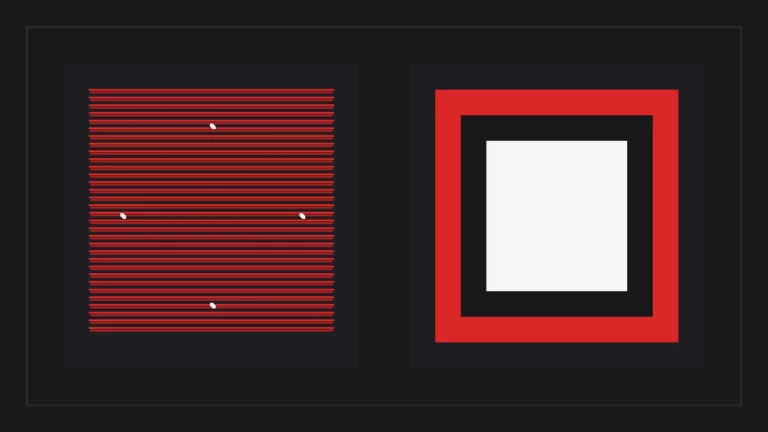
Proof sheet: Screentone refers to pre-printed adhesive sheets or digital dot patterns used by manga illustrators to render shading, textures, and midtones in black-and-white print. When translating screentones to apparel screen printing, dot frequency must not exceed 45 to 55 lines per inch (LPI) to prevent ink bridging and moire interference patterns on woven cotton jersey.
Black-and-white comic reproduction relies on an optical illusion. Because commercial printing presses and rotary newsprint offset machines cannot deposit continuous gray ink without costly extra plates, illustrators developed methods to simulate gray tonal gradients using solid black pigment. For manga artists and graphic apparel designers, screentone provides the bridge between solid ink line work and nuanced tonal shading. Understanding how tone sheets function, from manual adhesive cutouts to digital halftone bitmaps, allows garment printers to translate delicate manga shading onto textured textile fibers without losing dot definition.
What Is Screentone and How Did It Originate in Manga?
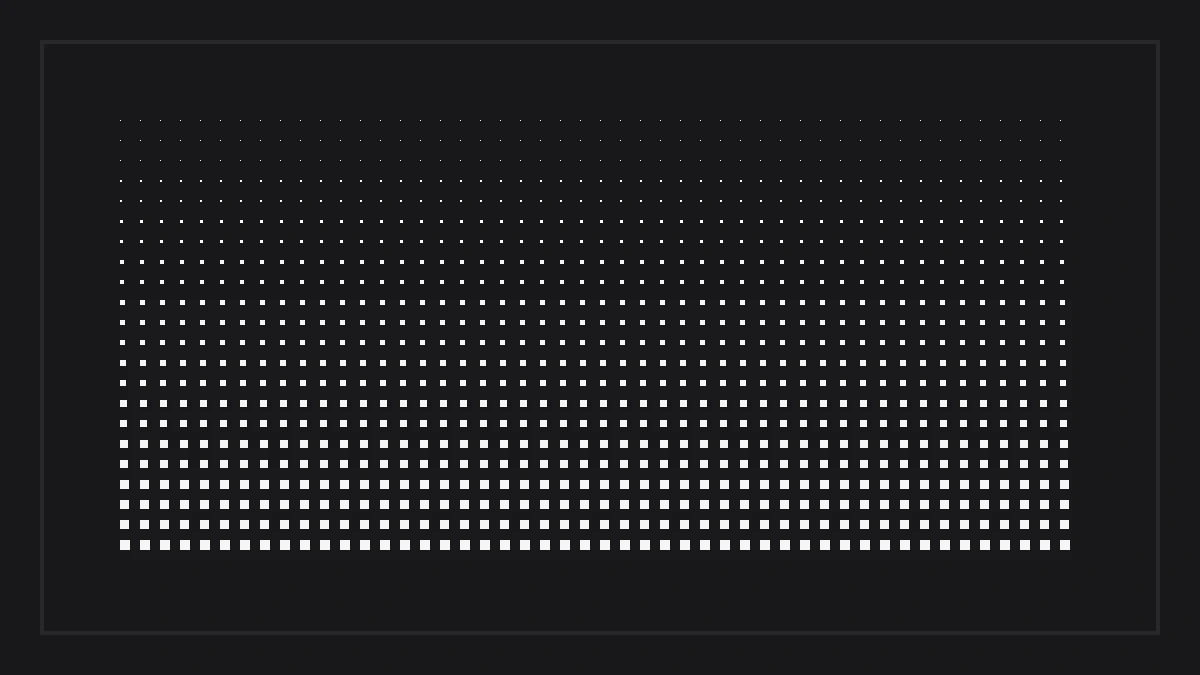
Screentone is a graphic technique where micro-fine geometric dot or line arrays simulate intermediate gray values in high-contrast black-and-white artwork. Manga artists in post-war Japan adopted pre-printed adhesive film sheets to rapidly apply shadow, atmospheric backgrounds, and clothing textures without manual stippling.
The widespread adoption of screentone coincided with the explosion of weekly manga anthologies such as Weekly Shonen Magazine and Weekly Shonen Jump during the 1960s and 1970s. Mangaka faced grueling weekly publishing deadlines requiring twenty pages of intricate artwork per week. Hand-drawing dense hatching or stippled cross-hatching consumed hours of ink work. Adhesive screentone sheets offered an efficient, clean solution:
- Adhesive Transfer Film: Transparent cellulose acetate sheets coated on the back with low-tack pressure-sensitive adhesive and printed on the front with uniform dot arrays.
- Manual Burnishing and Trimming: Illustrators positioned the sheet over inked line work, trimmed the boundary using a sharp craft knife, peeled away excess film, and burnished the tone with a smooth spatula.
- Scratching and Erasing: Artists used knife blades or abrasive sand erasers to scratch away printed ink dots, producing custom highlights, smoke wisps, and subtle lighting flares across character apparel.
- Tonal Layering: Stacking two tone sheets at calibrated angles produced darker shadow densities and complex geometric textures without requiring additional ink coats.
For related typographic and linework foundations, explore our guide to Japanese fonts for clothing.
How Did Ben-Day Dots Evolve into Adhesive Screentone Sheets?
Screentone evolved directly from 19th-century photomechanical engraving. In 1879, American illustrator Benjamin Henry Day Jr. patented the Ben-Day process, using patterned gelatin plates to apply ink dots to printing plates, which manufacturers later adapted into dry-transfer film sheets during the mid-20th century.
The progression from industrial plate-making to artist studio supplies occurred through several key manufacturing milestones:
- Benjamin Day Engraving (1879): Patented in the United States as an optical engraving process for letterpress newspapers, utilizing movable mechanical screens to tint color separation plates.
- Letraset and Zipatone (1930s to 1950s): Commercial graphic arts companies in the United States and Britain manufactured adhesive film sheets for architectural blueprints and cartography.
- Deleter and IC Screen (1970s to 1980s): Japanese manufacturers created specialized manga tone brands, introducing numbered dot gradations (such as Deleter Jr. Screen Jr-101 through Jr-150) calibrated for Japanese publishing papers.
- Digital Screen Halftones: Software tools like Clip Studio Paint replaced physical tone sheets with digital raster layers, enabling dynamic dot frequency scaling and non-destructive tonal editing.
Pattern geometry principles link directly to traditional Japanese geometric patterns on textiles.
How Do Line Frequency and Screen Angles Prevent Moire?
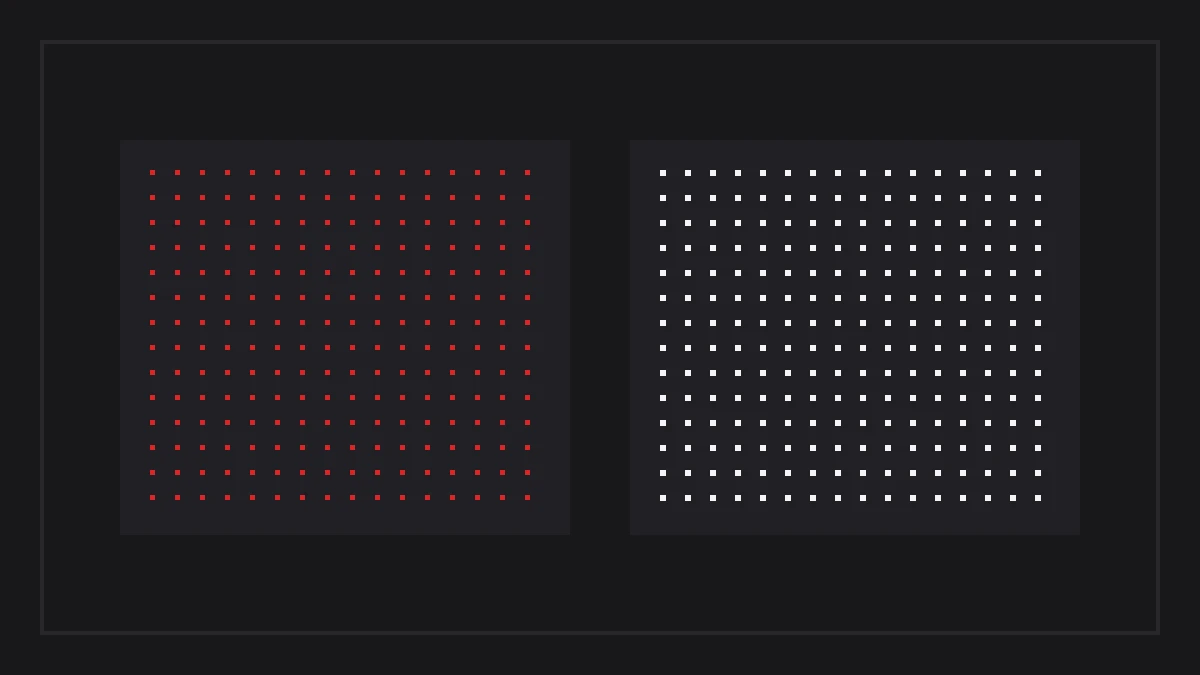
Line frequency, measured in lines per inch (LPI), defines the density of dot rows, while screen angle specifies the rotational tilt of the dot matrix. Misaligning screen angles relative to fabric weave produces moire, a jarring optical interference wave pattern that destroys garment print clarity.
When halftones are applied to apparel, the interaction between printer halftone screens and the physical weave of cotton jersey creates complex geometric challenges. Controlling screen angles is the primary defense against optical distortion:
- Standard Screen Angle (22.5 to 45 Degrees): In single-color garment printing, angling the halftone dot rows at 22.5 or 45 degrees prevents dot columns from aligning directly with horizontal textile weft yarns.
- Frequency Selection (35 to 55 LPI): While comic paper prints comfortably at 60 to 85 LPI, textile screens require coarser dot spacing (35 to 55 LPI) so that individual ink dots hold securely on coarse cotton fibers without washing out.
- Dot Shape Geometry: Elliptical dots are preferred over round or square dots for garment printing because elliptical terminals connect gradually, minimizing sudden tonal jumps in 50 percent midtone ranges.
- Mesh Count Correlation: Screen printers follow the rule of four or five: screen mesh count must be at least four to five times the halftone LPI. For a 45 LPI tone, printers use at least a 200 or 230 threads-per-inch mesh screen.
Detailed decoration mechanics are compared in our guide on embroidery vs screen printing on apparel.
What Are the Limits for Translating Screentones to T-Shirts?
Translating fine manga screentones to cotton apparel is limited by fabric weave roughness, dot gain during squeegee pressure, and minimum stencil exposure resolution. Tones exceeding 60 LPI plug with wet ink, turning delicate gray shading into muddy black blotches.
Textile screen printing involves viscous liquid plastisol or water-based inks pushed through tensioned mesh. Unlike ultra-smooth coated manga paper, cotton jersey possesses irregular microscopic valleys between twisted yarn fibers:
- Dot Gain Dynamics: When rubber squeegees push liquid plastisol through mesh apertures, ink spreads outward upon contacting fabric. A 10 percent digital shadow dot can expand to 20 or 25 percent on cloth.
- Underexposure Loss: Tiny halftone dots under 5 percent density drop below the minimum exposure resolution of photographic stencil emulsions, failing to wash out during screen preparation.
- Underbase Registration: Printing screentones on black garments requires a white underbase. Even fractional mechanical shifts between the underbase screen and top color screen cause moire fringing.
- Direct-to-Garment Alternative: Digital DTG printers utilize stochastic (frequency-modulated) micro-droplets rather than ordered dot arrays, providing cleaner gradients on single garments but softer edge acuity than traditional silkscreen.
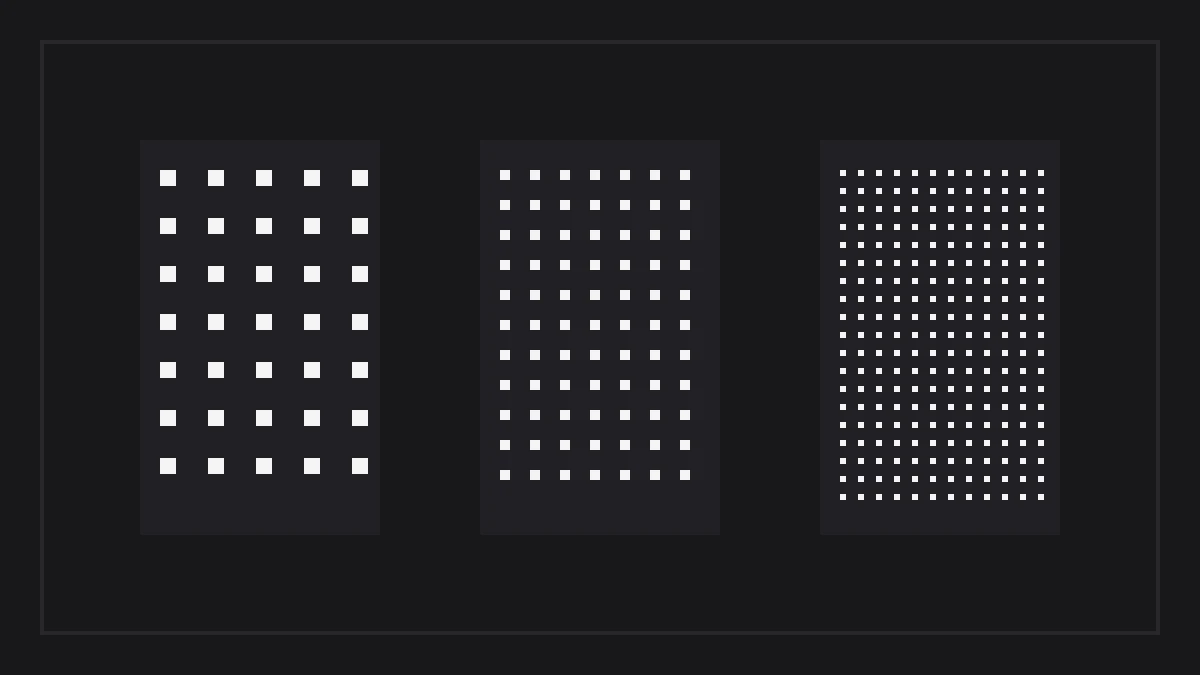
Explore broader textile and screen processes in the Print and Stitch section.
Halftone Shading Technology Comparison Matrix
The comparative matrix below outlines four major eras of halftone reproduction, comparing dot control mechanisms, typical frequency ranges, and textile printing feasibility.
| Technology Era | Media Medium | Dot Frequency (LPI) | Shading Mechanism | Garment Print Viability |
|---|---|---|---|---|
| Ben-Day Dots (1880s) | Gelatin film to zinc plates | 25 to 50 LPI | Mechanical plate contact tinting | Excellent for vintage retro reproduction |
| Adhesive Sheets (1960s to 1980s) | Acetate transfer sheets | 40 to 85 LPI | Manual cut and burnish application | Requires bitmap conversion before prepress |
| Digital Halftone (1990s to 2010s) | PostScript raster RIP software | 45 to 65 LPI | Algorithmic dot frequency mapping | Standard industry methodology for screen print |
| Stochastic DTG (Present) | Micro-piezo inkjet drops | Variable micro-dots | Randomized error-diffusion dither | High photographic detail on flat cotton jersey |
Apparel Halftone Screen Print Prepress Checklist
Printmakers review tone mechanics, frequency, dot matrix, origins, and screen mesh variables during prepress calibration. Before burning screens with manga-style screentone artwork, verify these five production steps:
- Convert Artwork to 1-Bit Bitmap: Export all tone layers as 1-bit monochrome bitmaps at 600 or 1200 DPI with defined halftone screen settings rather than anti-aliased grayscales.
- Cap Frequency Between 40 and 50 LPI: Verify that line frequency does not exceed 50 LPI for manual or automatic textile screen presses.
- Set Elliptical Dot Angle to 22.5 Degrees: Position dot rows at 22.5 degrees to eliminate moire interference against vertical textile knit ribs.
- Clip Shadows and Highlights: Compress tonal range between 15 percent and 80 percent, clipping micro-dots that would wash out or flood on press.
- Select High-Tension 230 to 305 Mesh: Mount stencils on rigid aluminum frames tensioned to at least 25 Newtons per centimeter to ensure sharp dot edge retention.
Carefully calibrated halftones allow streetwear designers to capture the authentic raw energy of classic manga illustrations while ensuring prints withstand dozens of home laundering cycles without degrading into muddied ink films.
Press check
What is the difference between screentone and halftone?
Halftone is the overarching printing principle of using tiny dots to simulate continuous tone images. Screentone specifically refers to the pre-printed adhesive sheets or specialized digital pattern layers utilized by manga artists to apply halftone shading manually to line art.
Why do screentones create moire patterns on t-shirts?
Moire occurs when the geometric dot grid of a screentone overlaps with the woven grid of fabric yarns or the screen printing mesh at conflicting angles, creating visible wave-like optical interference bands across the printed graphic.
What LPI should be used for printing manga screentone on clothing?
Apparel screen printers recommend using 40 to 50 LPI for standard cotton t-shirts. Frequencies higher than 55 LPI cause ink bridging where dots bleed together, while lower frequencies under 35 LPI produce overly coarse, visible dots.
Can digital manga screentones be printed with water-based ink?
Water-based inks can print halftones successfully if formulated with high-solids acrylic emulsions and printed through high-mesh screens. However, water-based inks dry faster in fine mesh apertures, requiring frequent screen lubrication or press humectants to prevent clogging.
How we researched this: historical print documentation, manga production guides, and textile screen printing manuals were cross-referenced with manufacturer technical specifications from Deleter and Nazdar. Initial structuring utilized automated drafting tools; the editor verified technical parameters and finalized typographic prose.
Sources: Deleter Manga Art Supply Technical Archives, Screen Printing and Graphic Imaging Association (SGIA) Technical Guides, Nazdar Ink Technical Manuals.